Table Of Content

Lastly, accurately identifying the type of mouse infestation is crucial for implementing effective pest control strategies. Field mice and house mice have distinct preferences when it comes to their environments. Field mice are commonly found in outdoor areas such as fields, meadows, and gardens.
Differences in Habitat
They are known to gnaw on electrical wires, which can lead to electrical fires. They also chew on insulation, wood, and other materials, which can weaken the structure of a building. Additionally, they can contaminate food and surfaces with their droppings and urine, which can lead to health problems for humans and pets. In agricultural settings, field mice can damage crops and cause significant economic losses. It is important to take measures to prevent and control mouse infestations to avoid these potential damages.
Droppings
Size and weight are important factors when distinguishing between house mice and field mice. House mice are typically smaller and lighter than field mice, with an average length of 2.5 to 3.75 inches and a weight of 0.5 to 1 ounce. In contrast, field mice are larger and heavier, with an average length of 3.5 to 4.5 inches and a weight of 1 to 2 ounces. This difference in size and weight can be attributed to the different environments in which these mice live. House mice have adapted to living in close proximity to humans, where they have access to a steady supply of food and shelter. Field mice, on the other hand, must forage for food and find shelter in their natural habitats, which requires them to be larger and more robust.
Is it a mole or a mouse?
Well, if there is a mouse in your house right now, you will need to get down off the chair. When you are calm, we would be happy to tell you all about the types of mice in Virginia and why they are in your home. If you go with live trap, be sure to release the mice far from your home and neighboring houses, too. Remember, white-footed mice can find their way back from two miles away. Besides seeds and berries, this nocturnal mouse also eats grass, flowers and fungi.
St Kilda's unusual meat-eating field mice - BBC.com
St Kilda's unusual meat-eating field mice.
Posted: Wed, 12 Jan 2022 08:00:00 GMT [source]
Remember, it’s best to avoid using rodenticides, for a deer mouse will likely hoard the poison. Introduction The ubiquity of house mice The ubiquity of house mice in popular culture is undeniable. From classic cartoons like Tom and Jerry to children’s books like Stuart Little, mice have been a staple in entertainment for decades. They are often portrayed as cute and mischievous, but also as pests that need to be eradicated….
How to Tell a Field Mouse and a House Mouse Apart
They chew through insulation and wires, and can even cause fires that can burn down your house. Regardless of whether you have field or house mice in your home, both are equally dangerous. While the mice themselves might not be diseased, the fleas on their body very much are. It’s fall, and you’re relaxing in your home with a cup of cocoa when a sudden flash of movement dashes across the floor and scares the wits out of you. Learn how to tell if you’re dealing with a field or house mouse before taking steps to remove and prevent future infestations. Mouse droppings of all types are highly susceptible to crumbling with even the slightest touch.
How to tell a field mouse from a house mouse
Many mice are scavengers that will feed on any food available to them. Fix cracks in your foundation and seal the baseboards with caulk, being mindful that some mice can squeeze through an opening as small as 1/4-inch. White-footed mice have excellent homing skills and can find their way home from up to two miles. Follow these simple tips to ensure your property is protected from entry. Otherwise, check out our simple guide to trap mice that have already infiltrated your home. If you haven’t seen any clues that your property is being infested by the arrival of spring you may have a colony in your basement and walls.
Body Size
Since every yard or home is different, your Orkin Pro will design a unique rodent treatment program for your situation. Cactus mice eat seeds, mesquite beans, insects and green vegetation. Active year round, they’re mostly nocturnal but may come out in the daytime. They grow to be just shy of 4 inches with a tail as long as their body.
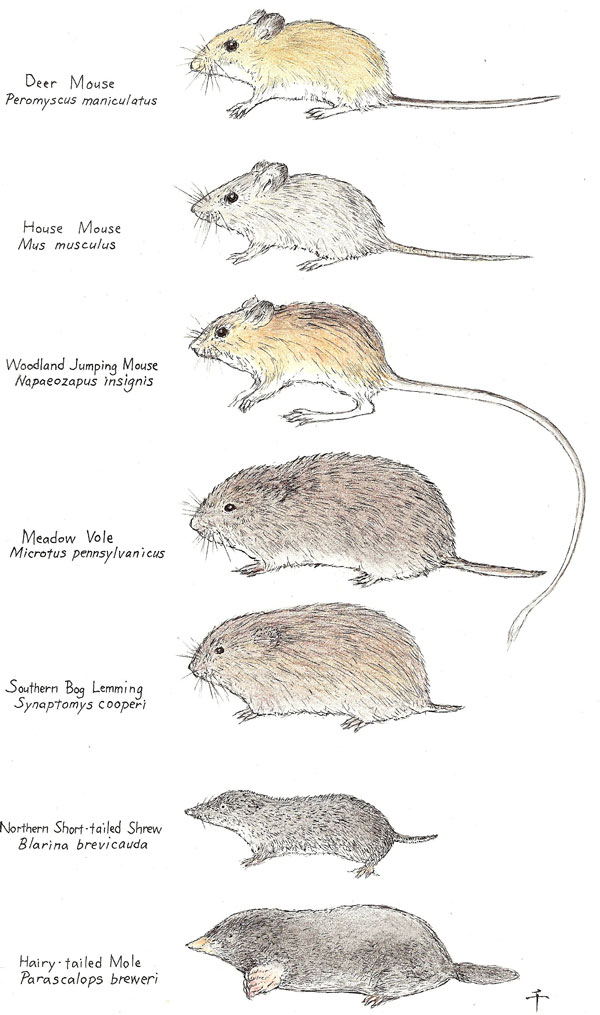
I’ll definitely use the service for other properties and will recommend. About 30 percent of all people diagnosed with hantavirus pulmonary syndrome die. Telling the two apart is easy once you know how, but it’s important to acknowledge that both of them can pose risks to human health and safety. Furthermore, they both do lots of damage inside a property from gnawing at things, like wires, and causing mental health trauma to residents.
We’ll first perform an inspection of your property and then treat the premises with highly-effective professional pesticides. The field mouse is light brown in colour, resembling sand and bright white belly. Their tails are as long as their bodies, thin and with almost no hair on them. Add another 7 to 9 cm for their tails and now you have a total size of roughly 19 cm.
House mice are known for their ability to reproduce rapidly, with a female mouse being able to have up to 10 litters per year. They are omnivorous and will eat a variety of foods, including grains, seeds, fruits, and insects. House mice are notorious for their ability to cause damage to property and spread diseases.
House mice are usually solid-colored with light brown or gray fur. In most cases, their undersides, legs, and feet are white, while the rest of their bodies are tan. As you can see, there are quite a few differences between house mice and field mice.
Understanding the differences in tail length and shape between field mice and house mice is crucial in identifying and managing rodent infestations. Field mice and house mice have distinct feeding habits and foraging behavior. Understanding these differences can help in identifying which type of mouse is present in your surroundings. Field mice, also known as meadow mice, primarily feed on plant materials such as seeds, nuts, fruits, and grasses. They are adept at foraging in open fields and meadows, where they can find an abundance of vegetation. In contrast, house mice are opportunistic omnivores and will eat almost anything they can find.
Read further about the sure signs of mice infestation in the house here. Field mice normally nest in burrows in open fields, bushes, tree stumps, etc. However, their habits could quickly change if their nest is disturbed. The nest could resemble a cup in form and is usually constructed of various kinds of materials like grass and paper. The goal is to provide a safe and warm space for the next generation of mice. Nocturnal birds, foxes, coyotes, snakes and others, all feed on tiny brown field mice.




No comments:
Post a Comment